First Home Savings
I just found out about the FHSA! It combines the best of TFSA and RRSP for people buying their first home. How did I not know this?
Read My NotesI used to think that "tax-free" was some kind of myth for the ultra-wealthy. Boy, was I wrong! After weeks of digging through CRA documents and asking way too many questions, I've realized that Canada actually gives us some incredible tools to keep more of our hard-earned money. This is my personal journey of figuring out how to legally pay less.
The basic federal tax rate on the first $55,867 of taxable income. Imagine keeping that instead!
The 2024 TFSA contribution limit. I didn't even know this number changed every year based on inflation!
The percentage of your previous year's earned income you can put into an RRSP. That's a huge potential deduction.
Wait, so I don't pay tax on the gains? Ever?
The Tax-Free Savings Account (TFSA) was the biggest "aha!" moment for me. Unlike a regular savings account where the bank sends you a T5 slip for the interest you earned, everything inside a TFSA is shielded from the CRA. It’s like a protective bubble for your money! I learned that you can hold stocks, bonds, and GICs inside it, not just cash.
The most confusing part for me was the contribution room. If you were 18 in 2009, your total room is massive now! But be careful—if you over-contribute, the CRA hits you with a 1% monthly penalty. I almost made that mistake last month!
Is it really a "refund" or just a delay?
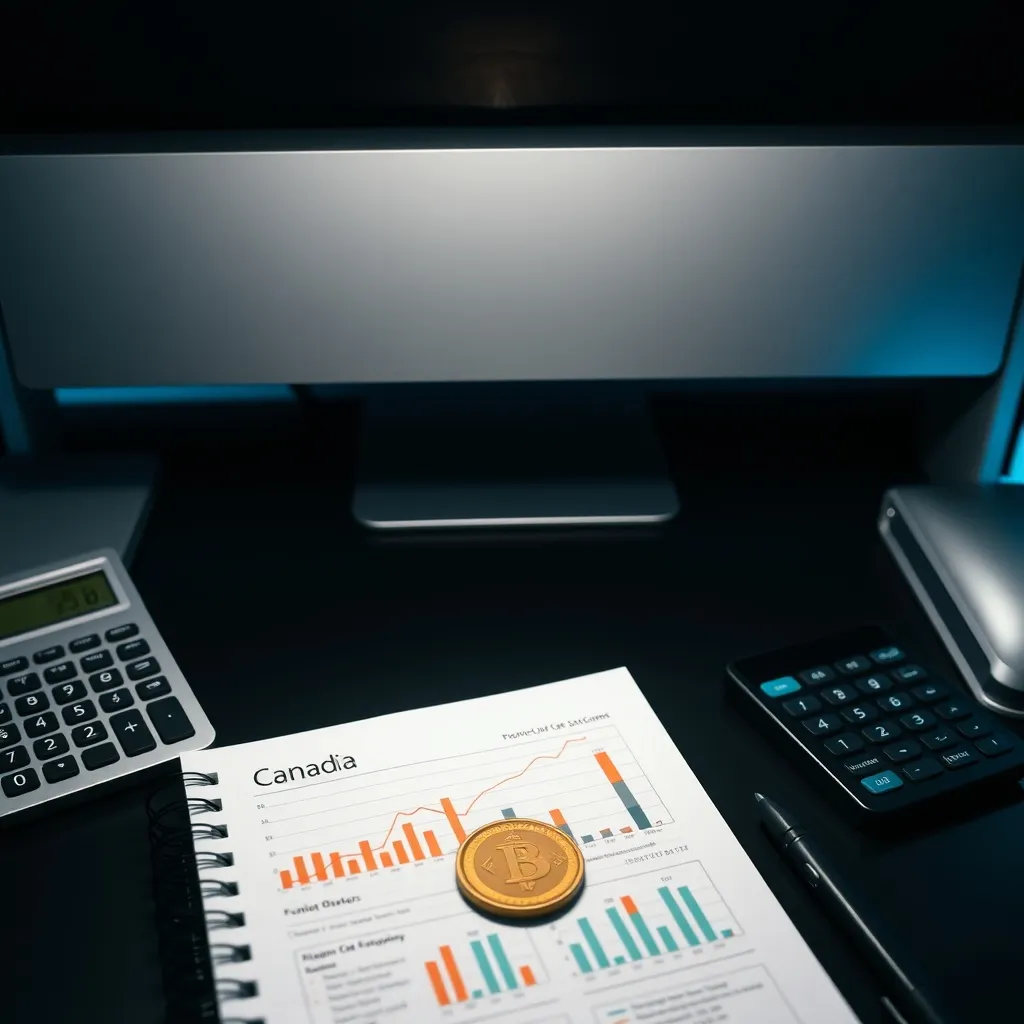
The Registered Retirement Savings Plan (RRSP) works differently than the TFSA, and it took me a while to wrap my head around it. When you put money in, you deduct that amount from your taxable income for the year. This usually results in a nice tax refund check in the spring! I was so excited when I saw how it could drop me into a lower tax bracket.
However, there is a catch: you pay tax when you take the money out later in life. The strategy, as I've discovered, is to contribute when you're making a lot of money (high tax bracket) and withdraw when you're retired (low tax bracket). For more details on this, I checked out the RRSP: Registered Retirement Savings Plan Deductions guide which really cleared up the "Home Buyers' Plan" rules for me.
Pro Tip I Learned:
Don't just spend your RRSP refund! If you reinvest it, the compound growth becomes much more powerful over 20-30 years. Mind blown!
I'm still learning every day, but the most important thing is to start now. Even a small contribution to your TFSA or RRSP today can save you thousands in the long run. Don't let the CRA take more than they should!